
General information only
This guide explains what published policy wordings say and what Australian law requires. It is general information, not advice, and it doesn’t consider your objectives, financial situation or needs. Policies differ, and wordings change: the PDS, policy wording and schedule for your own cover are the documents that count. The insurers quoted here are examples we could read in full; they are not necessarily on our panel.
The short version
- Public liability is for injury to people and damage to their property. Professional indemnity is for financial loss caused by your advice, design or service.
- Public liability wordings generally exclude professional advice. PI wordings generally exclude injury and damage, unless it flows directly from your professional work.
- One incident can reach both: a botched job that costs a client money and also breaks their property.
- Neither covers your own employees (workers compensation), fixing your own work, fines, lost data, or promises you make in a contract.
- Public liability usually responds to what happened during the policy; PI to the claim made during the policy.

The difference in one line
Public liability is about accidents: someone is hurt, or something that belongs to someone else is damaged, because of your business. Professional indemnity is about the quality of your work: a client says your advice, design or professional service was negligent and it cost them money. Nobody needs to be hurt for a PI claim, and nobody’s advice needs to be wrong for a public liability claim.
| Public liability | Professional indemnity | |
|---|---|---|
| Built for | Injury to people and damage to their property | Financial loss from your advice, design or service |
| A typical claim | A customer slips in your shop | A client says your advice cost them money |
| Who usually claims | Members of the public, customers, visitors, neighbours | Your clients, and sometimes people who relied on your work |
| What triggers it | The injury or damage happens during the policy (occurrence) | The claim is made during the policy (claims-made) |
| Professional advice | Generally excluded | The whole point |
| Injury and damage | The whole point | Excluded unless it flows directly from your professional service |
| Often asked for by | Landlords, councils, venues, head contractors | Clients engaging a professional, professional bodies |
The confusion is understandable. Both are “liability” insurance, both pay compensation you are legally liable for, and both pay legal costs to defend a claim. But they are written around different events, and the exclusions in each are designed to hand the other kind of claim to the other policy.
The five wordings we read
We read the liability section of two Australian public liability wordings and three professional indemnity wordings end to end, each downloaded from its insurer’s own website. Blue Zebra is one of the insurers Gary quotes business insurance with. Where we quote a wording below, the words are the insurer’s, with the clause.
| Insurer | Cover | Version |
|---|---|---|
| Blue Zebra | Business Insurance, Business Liability section | BZC0002 V6 11/21 |
| Ansvar | General Public & Products Liability | AUSPOLGPL I90 0621 V1.0 |
| DUAL | Consultants Professional Indemnity | 11.20 v3 |
| Chubb | Elite III Miscellaneous Professional Indemnity | Ed. 04/21 |
| Delta | Miscellaneous Professional Indemnity | PI 01/24 |
Other wordings differ, and limits and excesses live in each policy’s schedule. Treat the quotes here as examples of how the market commonly draws the line, not as a description of any particular policy.
What public liability is built for
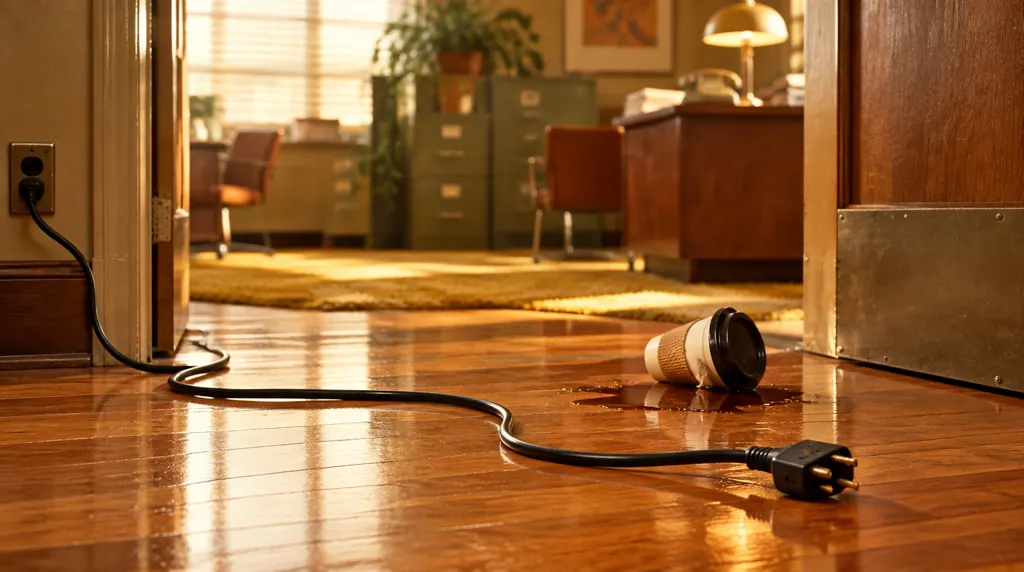
A public liability policy pays compensation you become legally liable to pay for injury to other people and damage to their property. Blue Zebra’s insuring clause is typical:
“personal injury and property damage happening during the period of insurance within the territorial limits as a result of an occurrence in connection with your business or products”Blue Zebra, Business Insurance BZC0002 V6 11/21, Business Liability
Two definitions do most of the work. Personal injury is wider than a broken arm: Blue Zebra’s includes “bodily injury, death, sickness, disease, shock, fright, mental anguish, mental injury”, and goes on to false arrest, invasion of privacy and some defamation. Property damage means “physical damage to or loss of or destruction of tangible property including loss of use of that property”. Both are about something physical happening to someone else.
That is why public liability isn’t only for trades. A bookkeeper who knocks a client’s laptop off a desk, a consultant whose visitor trips on a cable, and a florist whose display falls on a customer all have public liability claims, and none of them involves their professional skill.
Products, and the extensions worth knowing
Most business liability policies also cover products liability: injury or damage caused by something you sold, supplied, installed or repaired, after it has left your hands. Blue Zebra applies a separate aggregate limit to products claims for the whole policy period.
Extensions fill in the edges. Blue Zebra’s include liability to a principal you do work for, up to what your contract requires; damage to property in your care, such as premises you temporarily occupy to carry out work; and sudden and accidental pollution. These are the extensions a head contractor or landlord often asks about.
Work that damages other property is covered even where fixing the work itself is not. Ansvar’s faulty workmanship exclusion spells out the carve-back:
“This exclusion shall not apply to liability to pay compensation for damage to other property resulting from such work or service”Ansvar, General Public & Products Liability AUSPOLGPL I90 0621 V1.0, exclusion 7.1

What professional indemnity is built for
Professional indemnity insurance responds to a different kind of claim: that you breached a professional duty and a client lost money as a result. There is no need for an injury or a broken object. DUAL’s insuring clause is short:
“We agree to pay to or on behalf of the insured all loss arising from any claim for any civil liability in relation to the conduct of the policyholder’s professional business.”DUAL, Consultants PI 11.20 v3, insuring clause 2.1
“Civil liability” covers negligence and, in most PI wordings, related claims such as misleading conduct, unintentional breach of confidentiality or defamation in the course of your services. Chubb and Delta word their insuring clauses around “Professional Services”, defined by what your schedule describes.
Two features set PI apart. It is tied to the services described in your schedule, so work outside that description can sit outside the cover. And it is written on a claims-made basis, which changes what happens when you change insurers or stop working. Both are covered in depth in our guide to professional indemnity conditions.
Typical PI claims: a marketing strategy that wasted a client’s budget, a tax structure that cost a client more than it saved, software that didn’t do what was specified, a set of plans that didn’t comply, or advice about a purchase that turned out badly.
Where the two meet
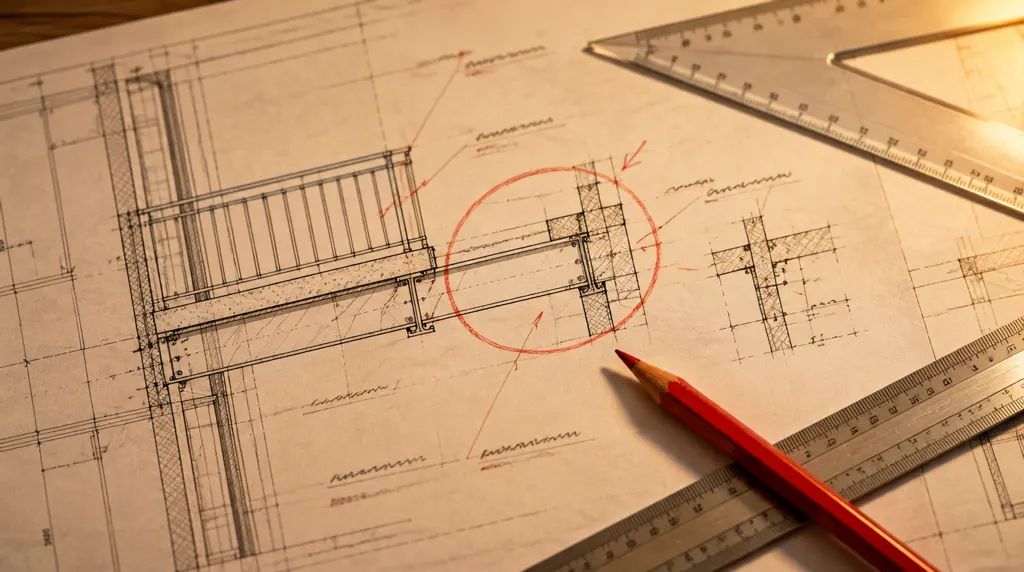
Each policy carries an exclusion designed to hand the other’s claims across. Public liability excludes professional advice:
“the provision of or failure to provide professional advice or service provided by an insured entity or any error or omission connected therewith”Blue Zebra, Business Insurance BZC0002 V6 11/21, Business Liability exclusion 14
Ansvar’s exclusion 21.2 is to the same effect. Professional indemnity, in turn, excludes injury and property damage, but with a carve-back that matters:
“any event described in subparagraphs 4.4 (a) or (b) above that results directly from the performance of or failure to perform Professional Services”Delta, Miscellaneous PI 01/24, exclusion 4.4
DUAL’s bodily injury exclusion likewise applies “unless it results directly from the insured’s conduct of the policyholder’s professional business” (5.5). Put the two exclusions together and the line becomes clear:
- Injury or damage caused by a professional error (an engineer under-specifies a beam and a balcony fails) is generally a PI claim. The public liability policy excludes it as professional service; the PI policy carves it back in.
- Injury or damage caused by carelessness on the job (the same engineer knocks over a client’s display on a site visit) is generally public liability.
- Financial loss caused by professional work is PI, whether or not anyone is hurt.
Free advice, and advice about your products
Public liability policies often extend to some advice, but read the words closely. Blue Zebra’s professional liability extension covers:
“compensation for personal injury or property damage arising from the provision of, or failure to provide professional advice or service by an insured entity or any error or omission connected therewith where: a. such professional advice or service is given not for a fee”Blue Zebra, Business Insurance BZC0002 V6 11/21, Business Liability extension 6
The extension also reaches medical advice from first aid staff and advice about the use or storage of your products. In every case it is injury or property damage, not money. A friend who loses $40,000 on your free tax advice is not a public liability claim, and whether a PI policy responds can depend on whether its definition of professional services requires a fee.
One job, two losses
The same job can produce both kinds of claim. An IT contractor whose migration takes a client’s online shop down for a week, and who shatters a display case carrying the old server out, has a PI claim for the lost trading and a public liability claim for the glass. Each policy responds to its own part, subject to its terms.
What neither one covers

Holding both policies is a strong position, but several common claims fall between them. These are the ones that catch people out.
Your own employees
Injury to your own staff is workers compensation, which employers must hold under state and territory law. Public liability wordings exclude it, Blue Zebra’s for “personal injury to any of the insured entities’ employees arising out of or in the course of their employment in your business” (exclusion 7), and PI wordings exclude it too (DUAL 5.16).
Fixing your own work
“the cost of performing, completing, correcting or improving any work undertaken by you.”Blue Zebra, Business Insurance BZC0002 V6 11/21, Business Liability exclusion 8
Liability insurance pays for the damage your work causes to other things. Putting the work itself right is a cost of doing business.
Data and cyber incidents
Public liability is about tangible property, and Blue Zebra’s definition says so in as many words: “Tangible property does not include electronic data.” A breach of customer records, a ransomware attack or a payment redirection scam is what cyber insurance is written for. Our cyber insurance guide covers what those wordings ask.
Fines and penalties
“any fines, penalties, punitive, exemplary, aggravated, liquidated or multiplication of compensatory damages, taxes, levies, imposts or duties imposed by a court of law or under any statute”Ansvar, General Public & Products Liability AUSPOLGPL I90 0621 V1.0, exclusion 8
On top of the exclusions, work health and safety laws in a number of jurisdictions now make it an offence to insure against WHS fines.
Liability you take on in a contract
Both kinds of policy cover the liability the law places on you, not extra liability you agree to. More on that under what clients’ contracts ask for.
Your own property, vehicles and products recalls
Damage to your own premises, tools and stock is property insurance, not liability. Registered vehicles are usually covered by motor and compulsory third party insurance and excluded from public liability (Blue Zebra exclusion 18). Recalling a faulty product is excluded too (Blue Zebra exclusion 16).
Occurrence and claims-made: why timing differs
Public liability is generally written on an occurrence basis. Blue Zebra covers injury and damage “happening during the period of insurance”, so the policy that responds is the one in force when the accident happened, even if the claim arrives years later.
Professional indemnity is written on a claims-made basis. Delta’s notice puts it plainly: the policy “will only apply to Claims first made during the Policy Period or Extended Reporting Period, if applicable, and notified to Delta in writing” in that time. The policy that responds is the one in force when the claim is made, for work done after its retroactive date.
The practical difference shows up when you stop. Cancel public liability when you retire, and an old occurrence policy can still respond to an accident that happened while it was running. Cancel PI, and a claim about work you did last year may find no policy at all, which is why run-off cover exists.
What clients’ contracts ask for

Contracts are often where the question gets decided for you. It is common for a landlord, council, venue or head contractor to ask for a certificate of currency showing public liability of $10 million or $20 million, and for a client engaging a consultant or designer to ask for PI at a stated limit, kept in place for a number of years after the job ends.
Read the rest of the contract too. Both kinds of policy exclude liability you volunteer for beyond what the law would impose. Chubb’s PI exclusion is typical:
“any actual or alleged liability assumed under any contract, agreement or understanding except to the extent that such liability would have attached to the Insured in the absence of such contract”Chubb, Elite III Miscellaneous PI Ed. 04/21, exclusion 4.1
Blue Zebra’s public liability exclusion 4 excludes “any liability or obligation assumed by an insured entity under any agreement or contract”, then gives back a defined list, such as lease terms and incidental contracts. Guarantees of results, broad indemnities and fitness for purpose promises are the terms most likely to sit outside both policies.
Who commonly holds which
What a business holds depends on what it does, not its label. As a general picture of what is common in the market:
| Business | Public liability | Professional indemnity |
|---|---|---|
| Trades (plumber, electrician, builder) | Almost always | Sometimes, for design, specification or certification work |
| Cafés, shops and hospitality | Almost always, often with products liability | Rarely |
| Consultants and advisers | Commonly, for offices, client visits and events | Almost always |
| Accountants and bookkeepers | Commonly | Almost always, and often required |
| Architects, designers and engineers | Commonly | Almost always, and often required |
| IT contractors and developers | Commonly, for on-site work | Commonly, often with cyber |
| Health and allied health | Commonly | Commonly required by the registering body |
The pattern follows the definitions. If people come to you, or you go to them, public liability is commonly held. If clients pay for your advice, design or judgement, PI is commonly held. Many businesses do both, and our business insurance and professional indemnity pages set out what we can quote.
Want to try the line for yourself? The PI vs public liability quiz gives you twelve incidents and twenty seconds to answer each.
A PI and public liability checklist
Drawn from the wordings above. It is not a substitute for your own policy, which may ask for more, or less.
Work out what you do
- List every service where a client relies on your advice, design or judgement
- List where you go: client premises, sites, events, the public’s homes
- Note what you sell or supply, and whether you install it
- Note whether you employ anyone, even part time
Check each policy
- Public liability: the limit, the products limit, and the professional exclusion
- PI: the services described in the schedule, and the retroactive date
- Both: the territory, and any exclusion naming your trade
- Whether defence costs sit inside or on top of the limit
Look for the gaps
- Workers compensation for anyone you employ
- Cyber, if you hold customer data or take payments online
- Contract terms that promise more than the law would impose
- Your own tools, stock and premises, which are property cover, not liability
Before you sign a contract
- Match the insurance clause’s limits to your certificates of currency
- Read any indemnity, guarantee or fitness for purpose term
- Check how long you must keep PI after the job ends
- Ask whether you must name the client as an interested party
Questions people ask about PI and public liability
What is the difference between professional indemnity and public liability?
Public liability is written to respond when someone outside your business is injured, or their property is damaged, in connection with your business. Professional indemnity is written to respond when a client says your advice, design or professional service caused them a financial loss. The first is about accidents; the second is about the quality of your work.
Does public liability cover professional advice?
Generally not. The public liability wordings we read exclude professional advice or service outright. Some extend to advice given without a fee, or advice about your own products, but only for injury or property damage, not for a client’s financial loss.
Does professional indemnity cover someone getting hurt?
Usually only when the injury flows directly from your professional service, such as a design error that leads to a collapse. Otherwise PI wordings exclude injury and property damage, so a client tripping in your office is a public liability matter.
Do I need both?
Many businesses that advise clients and also deal with the public in person hold both, because each is written for a different kind of claim. Whether a particular business needs either depends on what it does, its contracts and its risks. This guide is general information; a broker can look at your own situation.
Is workers compensation part of public liability?
No. Injury to your own employees is covered by workers compensation, which employers must hold under state and territory law. Public liability wordings exclude it.
Is this advice for my business?
No. This guide is general information about what published policy wordings say. It doesn’t consider your objectives, financial situation or needs. Read the PDS and wording for any cover you are considering, and talk to a broker if something in yours is unclear.
Sources
Policy wordings, read in full in September 2026:
- Blue Zebra Insurance, Business Insurance (Business Liability section) (PDS BZC0002 V6 11/21)
- Ansvar Insurance, General Public & Products Liability Insurance (AUSPOLGPL I90 0621 V1.0)
- DUAL Australia, Consultants Professional Indemnity (Wording 11.20 v3)
- Chubb Insurance Australia, Elite III Miscellaneous Professional Indemnity (Ed. 04/21, Chubb10-567-0421)
- Delta Insurance Australia, Miscellaneous Professional Indemnity (Delta PI 01/24)
More plain-English reading in Gary’s guides.
Important
This guide is general information only and is not personal advice. It doesn’t take into account your objectives, financial situation or needs. It summarises published documents as they stood when we read them; insurers change their wordings, and a policy’s schedule and endorsements can change how its wording applies. Quotations are reproduced for commentary and are accurate to the versions listed. Before deciding on any cover, read the PDS, policy wording and Target Market Determination for that product. Gary is not suggesting any of the insurers named is, or isn’t, right for your business.
Want to see what business cover costs you?
One form, the PDS beside every price, and a broker to ask when a condition doesn’t make sense.