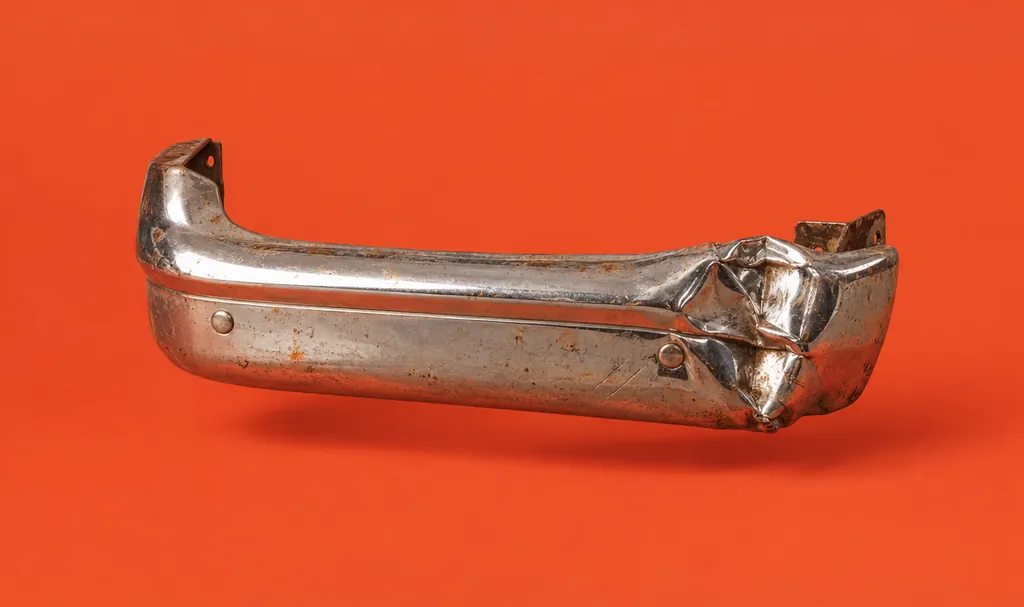
A trolley meets your door
Accidental damage · Comprehensive
Dents, scrapes and prangs to your own car, whoever’s trolley it was.
Car insurance
Give Gary the rego and the drivers once. More than one insurer prices it, you see every tier whole at the excess that was actually rated, and a real person places the policy.
The levels of cover
Comprehensive is the level most private drivers on our panel are quoted for. Third party property is commonly chosen for an older car worth less than the excess would justify.
Private cars today. Third party fire & theft and commercial vehicles are on the list; ring us in the meantime.
Damage your car does to other people’s cars and property
ComprehensiveThird party propertyDamage to your own car in an accident
ComprehensiveThird party propertyYour car stolen, or damaged by thieves
ComprehensiveThird party propertyFire, storm, hail and floodas each PDS defines them
ComprehensiveThird party propertyYour car hit by an uninsured driverlimits apply
ComprehensiveThird party propertyHire car, windscreen and roadside extraswhere the insurer offers them
ComprehensiveThird party propertyA guide to the levels, not a policy. Every insurer’s PDS sets out exactly what it covers, and we link it beside every price.
When it happens
What each part of a policy responds to, in the order it tends to happen. Your quote shows which apply at the level you pick.
Accidental damage · Comprehensive
Dents, scrapes and prangs to your own car, whoever’s trolley it was.

Third party property · every level
The other car and the fence it ended up in. Included at every level we quote.

Storm & hail · Comprehensive
Weather damage to the car, on the definitions written in each insurer’s PDS.
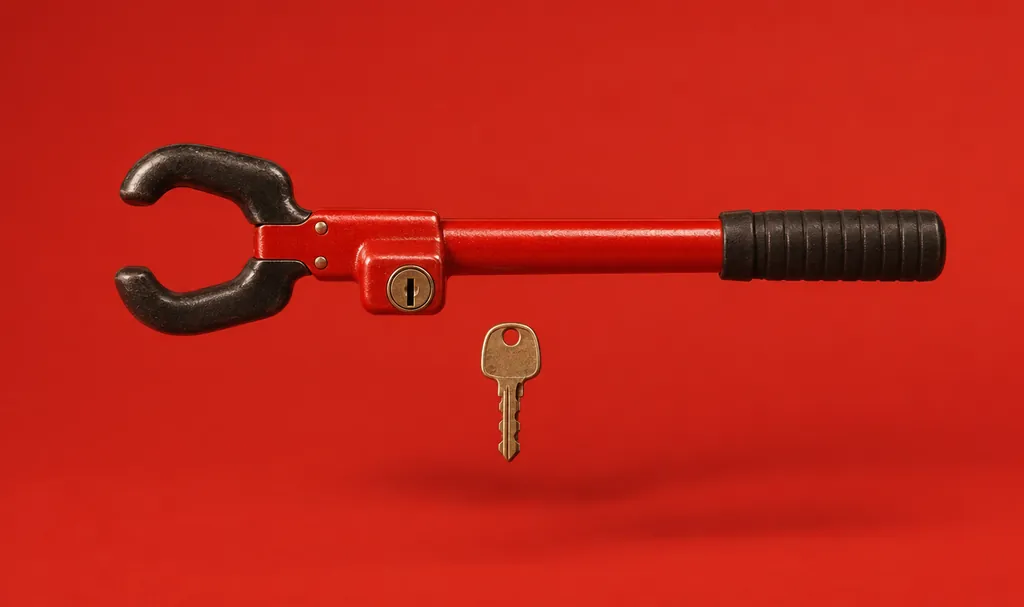
Theft · Comprehensive
The car stolen, or damaged in the attempt. Where it’s kept overnight is part of the price.
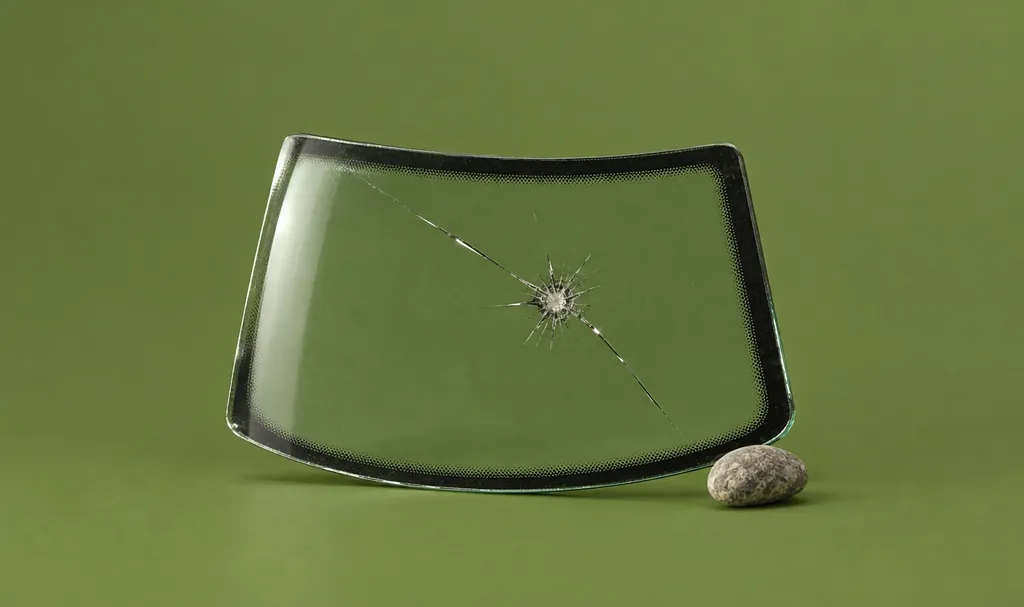
Windscreen · an optional extra
Some policies offer a windscreen option that waives the excess on a glass claim. The PDS says how.

Roadside & hire car · optional extras
Tick the extras you want and they’re priced into the quote rather than added at the end.
How it works
The rego and state does most of it. We look the car up, so you’re not guessing at the variant.

Each one rates the same answers. Tiers side by side, whole, at the excess that was actually rated.

You pick and pay; a broker places the policy and your documents arrive by email.
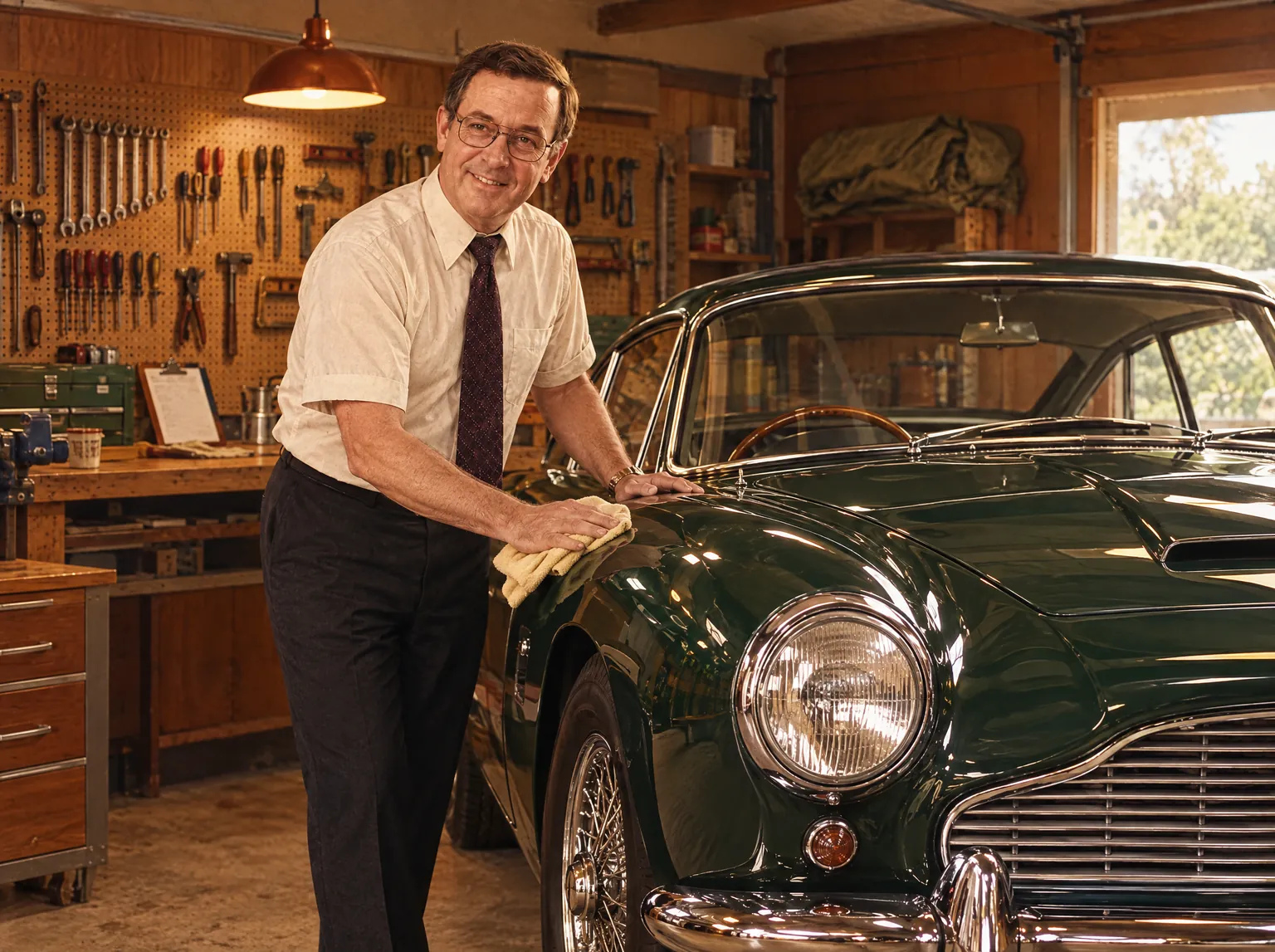
Prestige, classic & modified
When the car is worth $100,000 or more, is 25 years old or older, or has been modified, the same form also goes to Prevail, a specialist insurer for prestige and classic cars.
Before you start
Nothing you don’t have to hand. If we already know it, we don’t ask.
Worth knowing
Each insurer has its own set of excesses, and one sets a minimum per vehicle. If you choose a figure they don’t offer, the quote is priced at the nearest one they do and shows that figure, so the price and the excess on the card always belong together.
Market value is what the car would fetch the day before a claim, worked out by the insurer. Agreed value is a figure you set and the insurer accepts up front. Both are on offer; the PDS explains how each is applied at claim time.
Each car gets its own quote and its own policy. A second car is a second quote: a few minutes, and most of the answers carry across.
Rideshare or delivery work, a licence suspension in the last few years, or a car with unrepaired damage aren’t priced online by our panel. You’ll see why on the page instead of a number, and a broker can look at it properly.
Everything here is general information only. It doesn’t consider your objectives, financial situation or needs. We explain how car insurance works and show what drivers commonly choose; read the PDS and decide what fits.
Keep reading
Cover
Building, contents or both, landlords included, compared in the same form.
See the coverClaims
Who to call, what to send, and what your broker does from there.
Read onAbout
How we quote, how we’re paid, and the house rules we work by.
Read onGuides
Plain-English reads on what real policy wordings ask of you.
Read onOn the panel
Cars are priced by Blue Zebra and Clover, with Prevail for prestige, classic and modified cars. Each quote names its insurer, links its PDS, and shows what the premium includes and how we’re paid, in writing rather than in the fine print.